Wood Anatomical Description
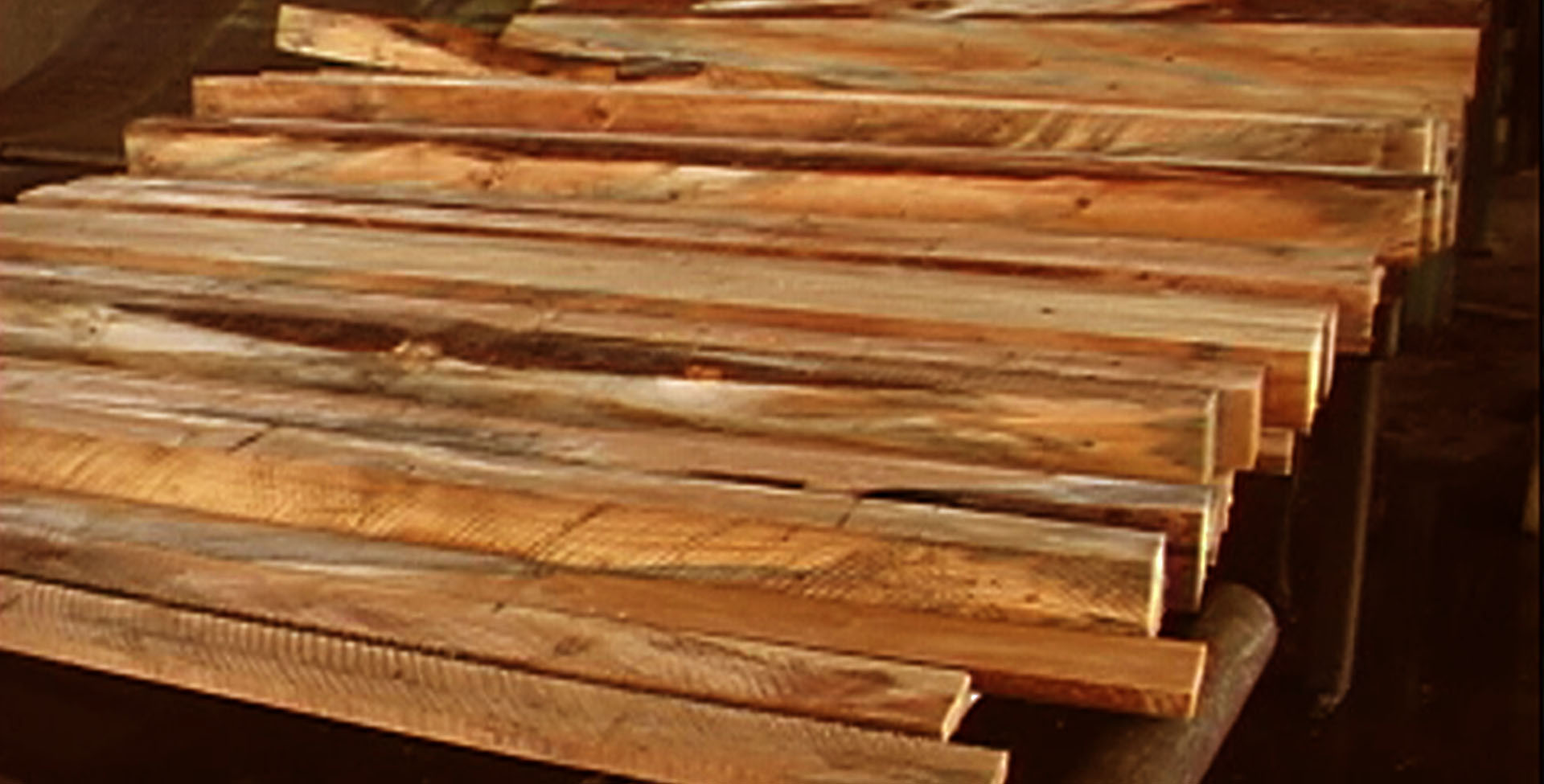
The wood is moderately lightweight. The heartwood is yellowish to reddish brown and distinctly demarcated from the white or yellowish sapwood. When the wood has higher density, a reddish brown color in the heartwood is frequent. The odour is more or less pronounced, with no distinct flavour.
Texture medium to coarse; straight grain; growth rings are clearly distinct with abrupt transition between the initial and final log, numerous resin canals are present and clearly visible as straight brown streaks on longitudinal surfaces, oily to the touch, because of the resin deposits.
Natural Durability
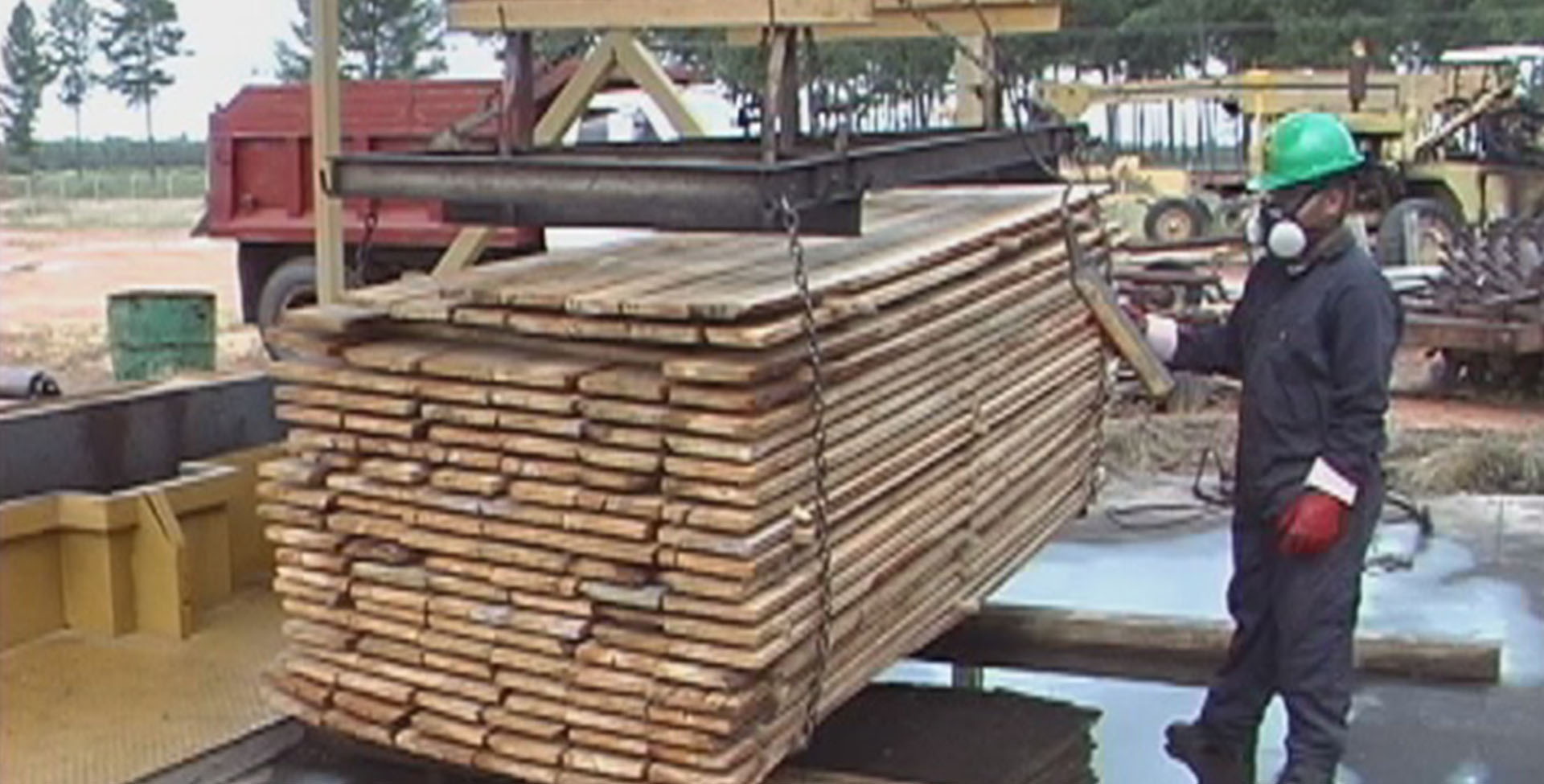
The heartwood is moderately resistant to rot, but seemingly varies between very resinous wood and less resinous wood, and with the type of fungus that attacks the wood. Wood preservation is required when used in favorable conditions for the attack from xylophagus fungi. The wood is ocassionally attacked by common furniture beetle, insects that, in general, do no cause any damage beyond the sapwood.
Wood resistance to termites attacks is largely based on the resins content. The heartwood, very resinous is found resitant. This resistance decreases together with the resin contents. Wood has poor resitance to marine borers. Sapwood natural durability class: 2 - inside and in roofed areas.
Handling Qualities
Wood handles with ease and in most of the operations a clean finish is obtained, either with machines or hand tools. In older or more resinous trees, resins adhere to the tools, causing feeding ease and strenght difficulties if it is not removed. It is recomended using diesel oil for that purpose.
Uses
- OUTDOOR, trasnmission posts, fence posts, sleepers, pilots.
- GENERAL HOUSING beams, joists, floors, panels.
- FURNITURE & CABINETS, VENEER & BOARDS, TURNING, artículos torneados.
- BENDING, pulp and paper.